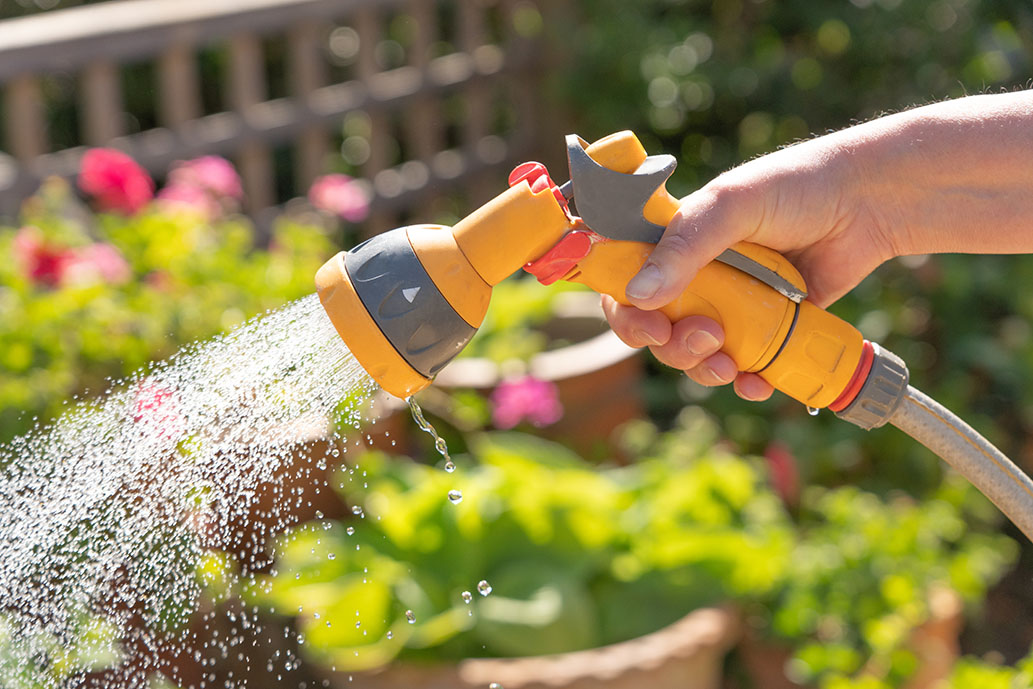
Across England & Wales, millions of households are once again living under hosepipe bans as a run of hot, dry weather piles pressure on the country’s water supplies. Following the driest spring on record and three heatwaves in as many months, six water companies now have restrictions in force or about to start, covering Kent, Hampshire, the Isle of Wight, East Anglia, Devon, Cambridgeshire and parts of the Affinity Water region.
For most homeowners, that means putting away the garden hose, delaying the car wash, and watching a carefully tended garden struggle through another dry summer.
Restrictions like these exist to protect essential drinking water supplies. But they also raise an obvious question: why are we using treated mains water for jobs that don’t need drinking-quality water in the first place?
The answer, as ever in the UK, is sitting right above our heads.
What Is a Hosepipe Ban?
A hosepipe ban — officially a Temporary Use Ban (TUB) — is introduced by a water company when demand starts to outstrip supply. During prolonged dry spells, reservoir levels, rivers and groundwater fall just as household consumption climbs, and restrictions are the quickest way to protect the network.
Typical restrictions cover:
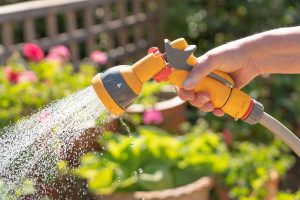
- Watering gardens with a hosepipe
- Filling paddling pools and swimming pools
- Washing vehicles with a hosepipe
- Cleaning patios and driveways
- Using sprinklers and irrigation systems
Watering cans, water butts and stored grey water are usually still permitted, it’s mains-fed hosepipes and sprinklers that get switched off. The aim is to keep enough water available for drinking, cooking, healthcare and emergency services while demand is at its peak.
Why Are Hosepipe Bans Becoming More Frequent?
Climate change is changing the shape of UK rainfall rather than the total amount of it. Instead of rain spread fairly evenly through the year, we’re increasingly seeing longer, hotter summers, extended dry spells, and short bursts of intense rainfall in between, a pattern that’s harder for reservoirs and rivers to bank against.
Ironically, the UK still receives plenty of rain annually. The problem is that very little of it gets stored. Most rainwater lands on a roof, runs into a gutter, and disappears down a drain within minutes of falling, long before anyone gets the chance to use it.
Rather than letting that water go straight to waste, homeowners and businesses can capture and reuse it through a rainwater harvesting system.
What Is Rainwater Harvesting?
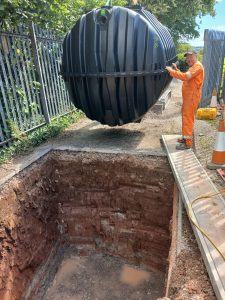
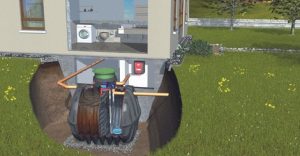
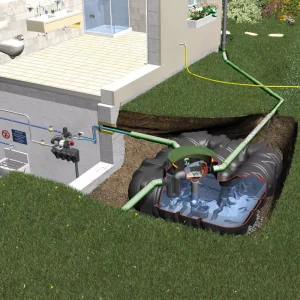
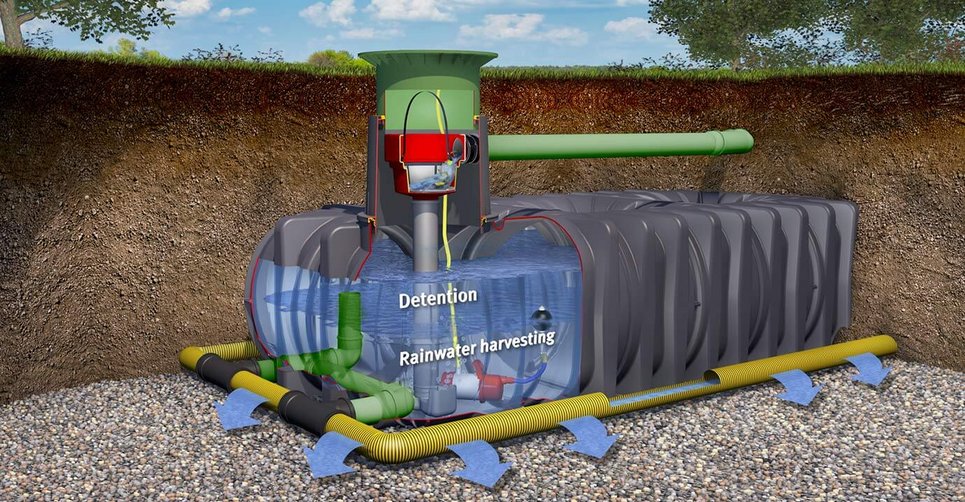
Rainwater harvesting is the process of collecting water from roofs and storing it for later use, instead of letting it run straight into the drainage system. A typical setup captures water through the existing guttering and stores it in a water butt, an above-ground tank, or an underground storage tank, depending on the space available and how much water you want on hand.
Once stored, that water can be used for a wide range of everyday jobs that don’t need drinking-quality water, including:
- Watering gardens
- Washing cars
- Cleaning patios
- Irrigation
- Toilet flushing
- Laundry
Because none of these tasks require treated mains water, harvesting rainwater is one of the most straightforward ways to cut demand on the public supply.
How Rainwater Harvesting Helps During a Hosepipe Ban
The biggest advantage of harvesting is resilience. Rainwater collected and stored before a ban comes into force can generally still be used for permitted tasks, because it was never drawn from the mains in the first place.
That means a stored tank of rainwater can keep a garden alive through a dry spell without adding to the pressure on the public network — you’re simply making use of rain that’s already fallen, rather than hoping for more.
The Benefits of Rainwater Harvesting
A rainwater harvesting system earns its keep all year round, not just during a drought.
Reduce mains water consumption. Every litre drawn from a storage tank is a litre of treated drinking water that didn’t need to be used for a non-potable task.
Lower water bills. For metered homes and commercial premises, harvesting rainwater can meaningfully cut overall mains usage and the costs that come with it.
Protect your garden. A stored supply keeps lawns, borders and vegetable beds going through dry periods, ban or no ban.
Improve sustainability. Harvesting supports better water management by easing demand on local infrastructure and making proper use of rainfall that would otherwise be wasted.
Reduce surface water runoff. Capturing rainwater at the source also reduces the volume hitting drainage systems during heavy downpours, easing pressure on the network when it rains hard.
Preparing for the Future
Water scarcity isn’t a problem confined to hotter climates anymore — it’s a regular feature of UK summers now. With hosepipe bans becoming more frequent rather than less, installing a rainwater harvesting system is an increasingly practical way to reduce dependence on the mains and protect your property against future restrictions.
Whether that means a simple garden water butt or a fully integrated harvesting system feeding into the home, every litre collected today is water available the next time restrictions bite.
Speak to Our Rainwater Harvesting Specialists
Choosing the right system involves more than picking a tank size. The most effective setups are designed around your roof area, expected demand, available space and intended use — get any of those wrong and the system underperforms exactly when you need it most.
Aqua Response designs, installs and maintains rainwater harvesting systems for homeowners, developers and commercial sites across Wales and England, alongside our wider water resilience services. Whether you’re looking to cut water bills, build resilience against future bans, or meet sustainability targets on a commercial site, our team can help you invest in a system that performs long after this summer’s restrictions lift.
Ready to make every drop count? Get in touch with Aqua Response on 02920 885660 or info@aquaresponse.co.uk to discuss a rainwater harvesting system for your property.